Import, retail, hardware, outdoor and emergency buyers see product groups framed by their channel.
Buyer scenarios
Lighting programs arranged around how buyers source.
A B2B independent site should not only list SKUs. It should help each buyer recognize the right range, the right packaging path and the next RFQ action.
Template logic
Use case first, product second, RFQ always visible.
Application images, packaging notes, sample checks and compliance prompts answer procurement questions early.
Every scenario links to catalog filters, OEM brief or contact form instead of leaving buyers at a dead end.
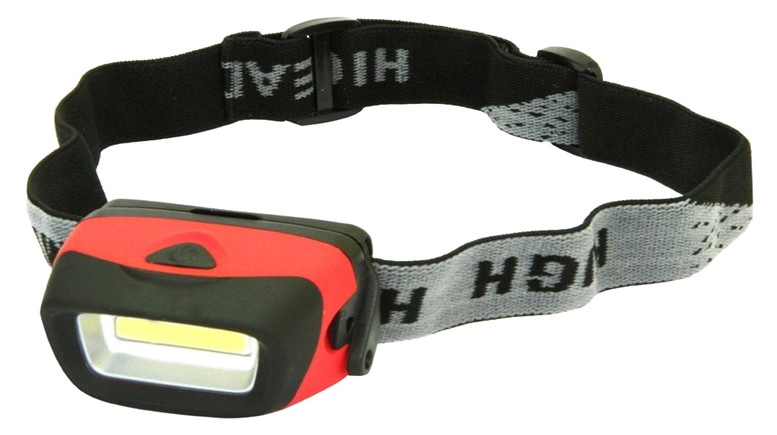
Importers and distributors
Core range for recurring catalog orders.
Build a balanced lighting line with headlamps, aluminum torches, rechargeable work lights, camping lanterns and solar wall lights. Useful for distributors that need stable repeatable SKUs rather than one-off items.
- Mixed product family shortlist
- Logo and carton mark requirements
- Sample approval before repeat order
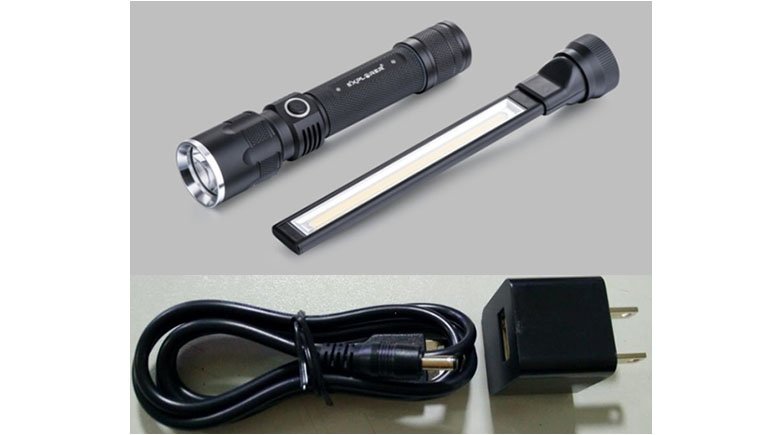
Hardware and tool channels
Work lights for garage, workshop and maintenance buyers.
Position magnetic inspection lamps, SMD worklights and USB rechargeable work lights around practical features buyers compare: magnet strength, hooks, charging, runtime, brightness and housing durability.
- Feature comparison for product selection
- Retail packaging and barcode planning
- Country-specific certificate notes by SKU
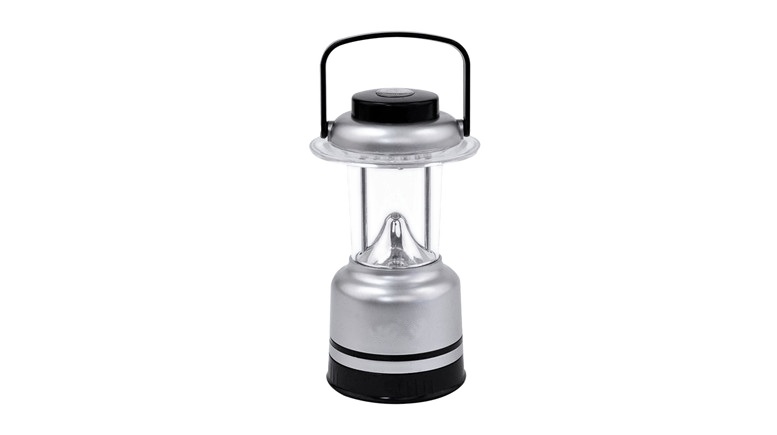
Outdoor and seasonal brands
Camping, bicycle and emergency lighting assortments.
Outdoor buyers often need season-ready bundles. This path groups camping lanterns, headlamps, bicycle lights and emergency torches into retail-ready programs with color box and instruction-sheet planning.
- Outdoor product mix by season
- Gift, retail and online channel packaging
- OEM color and logo direction
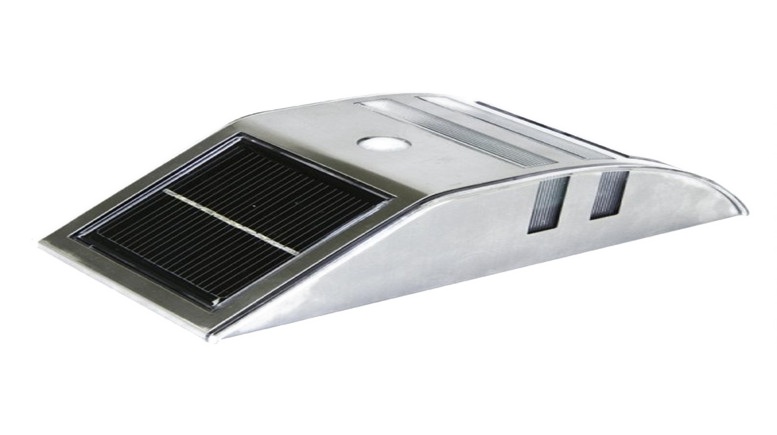
Solar and emergency supply
Lighting for backup, garden and off-grid needs.
Solar wall lights, PIR lamps and portable emergency lighting need clear application language, installation notes, battery information and destination-market compliance questions before quotation.
- Outdoor, garden and emergency use cases
- Battery and charging notes in the RFQ
- Market requirements before sample shipment
Case-style page structure
How a finished buyer story should be written.
When real customer results are available, the page should follow a simple B2B case format: buyer problem, product match, packaging or compliance work, shipment result and next order opportunity. This keeps proof specific without overclaiming.
Define channel, market and functional requirements.
Shortlist SKUs, samples, logo, barcode and carton marks.
Document function, finish, packaging and market requirements.
Invite similar buyers to request a range plan.